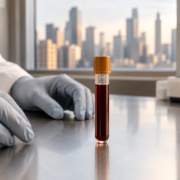
Why Could a Hospital Blood Test Matter as NYC DWI Evidence?
A hospital blood test can raise an unsettling question after a New York City DWI arrest: could a result collected during medical treatment be used in the criminal case? The short answer is that prosecutors may seek to use a hospital result, but it is not automatically available or admissible just because a lab measured alcohol or another substance. How the sample was collected, why it was drawn, how authorities obtained the result, and how it was handled can all matter. Pinto Law Offices helps readers understand the legal questions that may arise when medical care and a DWI investigation overlap. This article explains the difference between a clinical blood draw and a law-enforcement chemical test, how records may be accessed, and what evidence and procedures a lawyer may examine in an NYC case. The details depend on the facts and applicable New York law.
Can a hospital blood test be used as DWI evidence in NYC?
A hospital test may become evidence if prosecutors obtain the result through a legally permitted process and meet applicable evidentiary requirements. That does not mean every hospital result can simply be introduced in court. Questions may arise about privacy, how the information was obtained, whether the record is properly authenticated, what the test actually measured, and whether its result is reliable for the purpose prosecutors propose.
A clinical draw is generally performed to help evaluate or treat a patient. A law-enforcement chemical test, by contrast, is requested as part of an investigation and may involve specific procedures for advising a driver, obtaining consent, or securing legal authority. Agreeing to a blood draw for medical care does not automatically answer whether a person agreed to a separate police test or whether law enforcement may obtain the medical result. The facts surrounding any request, consent, warrant, or other legal process need to be examined individually.
The timing and purpose of the draw also matter. A hospital result reflects the sample at the time it was collected; it does not, on its own, establish a person’s alcohol concentration at an earlier time while driving. The interval between driving and testing may require careful analysis, as discussed in how test timing can affect a rising-BAC defense in NYC. The kind of specimen and the hospital’s testing method can also affect how the result should be interpreted.
In New York City, prosecutors may evaluate evidence in the context of the alleged driving, the investigation, and other proof. A result’s possible relevance is different from a final decision about whether a judge will admit it or what weight it may receive.
What records can clarify a medical blood draw in a New York DWI case?
A lawyer reviewing a hospital blood test DWI issue may need more than a result printed in a medical chart. The surrounding records can help show why the test was ordered, what sample was collected, who handled it, and how the reported result was generated. Depending on the case, relevant materials may include:
- Emergency department or other treatment records describing the reason for the draw and the time it occurred.
- Laboratory reports identifying the test performed, specimen type, units, and reported result.
- Collection and processing notes, including labels, storage details, and any transfer or testing documentation.
- Communications or paperwork showing whether law enforcement requested information or a separate sample.
- Any warrant, subpoena, consent form, or other process used to obtain the sample or medical records.
- Policies or testimony needed to explain the laboratory’s procedures and the records’ accuracy.
These materials can help separate two issues: whether authorities had a lawful basis to obtain the evidence, and whether the evidence is sufficiently reliable and relevant for use in court. A patient’s consent to treatment, a driver’s response to a police request, and authorization to disclose medical records are not necessarily the same thing. Their significance depends on the circumstances and applicable rules.
In a New York City case, the prosecution may be handled in the borough where the alleged conduct occurred, and the case may proceed in the appropriate local criminal court or another court depending on the charge and stage. The forum does not eliminate the need to establish how evidence was obtained and what it proves. Readers assessing legal representation may also consider questions to ask about a NYC DWI lawyer’s review of chemical-test evidence, including who will examine the hospital and laboratory records.
How are sample handling and other evidence evaluated?
A result’s meaning depends partly on the sample’s path from collection to analysis. Documentation may be reviewed for the identity of the specimen, collection time, labeling, storage, transfers, and the laboratory’s testing and reporting procedures. These are often described as chain-of-custody issues. A gap or question in the documentation does not automatically exclude a result, but it may matter when the court assesses reliability, admissibility, or the weight to give the evidence.
The clinical purpose of a test can also shape interpretation. Hospitals may use testing designed to support care, and the specimen or measurement may not match the method used for a police chemical test. A lawyer may ask what substance was measured, whether the test measured whole blood or another sample type, what the units mean, and whether the laboratory can explain its process. The answer should not be assumed from a single number in a chart.
A hospital result is only one possible part of the case. Prosecutors may also rely on driving observations, statements, video, or roadside coordination tests. Those forms of evidence have different limits: for example, what New York field sobriety tests can—and cannot—show explains that such tests do not directly measure blood alcohol concentration. A lawyer may compare each item with the timeline and the circumstances of the encounter rather than treating any one piece as conclusive.
It can be useful to preserve the distinction between medical care and the investigation when describing events to counsel. A lawyer may compare medical records with police reports and laboratory documents, identify missing information, and assess whether a motion or other challenge is appropriate. What steps are available depends on the facts, the procedural posture, and New York law.
Frequently Asked Questions
Can police get my hospital blood test without my permission?
Possibly, depending on the circumstances and the legal process used. A medical record is not automatically available to police merely because it exists, but law enforcement may seek information through legal procedures such as a warrant or subpoena, or rely on another legally recognized basis. Whether that process was valid and what it allowed authorities to obtain are fact-specific questions. A clinical consent form alone may not resolve the separate issue of disclosure to law enforcement.
Is a hospital blood test the same as a police blood test?
Not necessarily. A hospital draw is ordinarily taken for medical evaluation or treatment, while a police-requested test is collected as part of a DWI investigation. The test method, sample type, timing, documentation, and purpose may differ. Those differences can affect how the result is interpreted and whether it meets the requirements for use in court. The actual records and laboratory procedures matter more than the label applied to the test.
Does a hospital alcohol result prove my BAC while driving?
A result generally describes the sample at the time it was collected, not automatically the person’s alcohol concentration at an earlier time. The time between driving and the draw, along with the test method and other circumstances, may be relevant. Any effort to draw conclusions about an earlier concentration requires case-specific analysis; a hospital result alone should not be treated as a complete account of what was present while driving.
What if the hospital record has a mistake or missing information?
A discrepancy or missing detail may raise a question about the sample, the reported result, or how the information was obtained, but it does not automatically determine whether the evidence can be used. Counsel may compare the medical chart, laboratory records, and law-enforcement paperwork to understand the issue and evaluate its significance under New York procedure. The effect depends on the nature of the problem and the rest of the evidence.
How Pinto Law Offices Can Help
Pinto Law Offices can help evaluate how a hospital blood result fits into the broader facts of an NYC DWI case. A review may consider the reason and timing of the draw, the process used to obtain the result or records, laboratory documentation, sample handling, and other evidence. The firm is dedicated to helping clients understand the issues that may affect their case and is committed to fighting for their rights within the applicable legal process. To discuss your circumstances and possible next steps, contact Pinto Law Offices to request a free consultation or case evaluation.
New York law and procedures may change and can differ from those in other jurisdictions. The information in this article is for educational purposes only and does not constitute legal advice. Contact a qualified attorney authorized to practice in the jurisdiction that applies to your matter for advice specific to your situation.