
When Does NYC Drug Possession Suggest Intent to Sell?
A person stopped in New York City may initially think an encounter concerns possession alone, then learn that prosecutors are also alleging a sale or intent to sell. The distinction can depend on more than what substance police say they found. Quantity, packaging, communications, and the surrounding circumstances may all become part of the allegation. For an overview of an early step in a criminal case, see what happens at a New York City criminal arraignment.
Pinto Law Offices helps readers understand the questions that can arise when New York drug possession with intent to sell is alleged. This article explains how possession and sale theories differ, what evidence prosecutors may point to, and what records or circumstances may be useful to discuss in a confidential consultation. The charge and potential process depend on the facts and applicable New York law; an allegation is not proof of guilt.
How New York drug possession with intent to sell differs from possession
A possession allegation generally concerns whether a person knowingly possessed a controlled substance. A sale allegation typically concerns an alleged transfer or attempted transfer. Prosecutors may also claim that a person possessed a substance with the intent to sell it, even if they do not allege that a completed transaction occurred. These are distinct theories, and the precise elements and potential consequences depend on the offense charged and the circumstances.
New York’s controlled-substance offenses are addressed in Article 220 of the Penal Law. The specific charge can depend on factors such as the substance, its weight, and the conduct alleged. A larger quantity may attract scrutiny, but quantity by itself does not automatically establish an intent to sell. Nor does the mere presence of packaging or cash settle what happened. The prosecution must prove the elements of the charged offense beyond a reasonable doubt.
Why context may matter
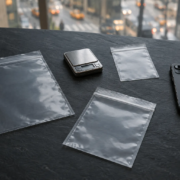
In New York City, prosecutors may look at the full context surrounding an alleged seizure. They might point to individually wrapped portions, a scale, messages they interpret as arranging a transaction, or observations of an exchange. The defense may examine whether those details have other explanations, whether the evidence is reliable, and whether it actually connects the accused person to the alleged conduct. Each case turns on its own evidence; no single factor necessarily decides the charge.
What evidence may support NYC drug sale charges?
An accusation may be built from several kinds of evidence. Some evidence is physical, some comes from a person’s statements or digital records, and some depends on an officer’s observations. A lawyer evaluating New York controlled substance charges may review how each item was obtained, what it can show, and whether it is being interpreted fairly.
Factors prosecutors may cite include:
- Quantity and packaging: The amount alleged and how it was divided or stored may be presented as consistent with distribution. Those facts need context and do not, on their own, prove a sale or intent.
- Communications: Texts, calls, or social-media messages may be offered as evidence of a transaction. Meaning, authorship, timing, and surrounding conversation can matter.
- Money or equipment: Cash, scales, or other items may be cited, but their connection to the alleged offense should be examined rather than assumed.
- Observed conduct: An alleged exchange, surveillance, or statements attributed to a person may influence how prosecutors frame the case.
- Location and access: In a shared home, car, or other space, the question of who knew about or controlled the alleged substance may be disputed.
In New York City, an arrest may lead to an early appearance in Criminal Court. Felony cases may proceed through additional stages and can be handled in Supreme Court. The process and court involved depend on the charge. An arraignment is an early appearance where the charge is addressed and release conditions and next steps may be considered. For more detail, see what happens at a New York City criminal arraignment.
What should you gather for a confidential consultation?
A clear timeline and relevant records can help a lawyer understand why prosecutors may be claiming intent to sell and what evidence may need closer review. A consultation is also a chance to identify unanswered questions—not to decide the case based on one item in isolation. If an arrest happened in Manhattan, Brooklyn, Queens, the Bronx, or Staten Island, local court documents and the location of the alleged conduct may help clarify where the case stands.
Depending on the circumstances, useful topics to raise may include:
- Case paperwork: Any appearance ticket, complaint, indictment, property receipt, or other document received from law enforcement or the court.
- A timeline: Where the encounter occurred, who was present, what happened before and after the search or seizure, and when key events took place.
- Potentially relevant records: Messages, call logs, receipts, travel or work records, or other materials that may help explain disputed events. A lawyer can discuss how to handle sensitive records.
- Search and seizure details: Whether officers searched a person, vehicle, home, or phone; what permission or legal basis was stated; and what was taken.
- People with relevant information: Names and contact details for potential witnesses, along with what they may have observed.
- Questions about representation: Ask how the lawyer would assess the allegations, communicate about the case, and define the scope and costs of representation. These questions to ask a criminal lawyer in New York City may help structure that discussion.
Avoid treating a checklist as a substitute for legal advice. The relevance of a record can depend on the charge, how it was obtained, and the facts around it. A lawyer can explain which issues merit attention and how the case may proceed in the appropriate New York City court.
Frequently Asked Questions
Can police charge someone with intent to sell without witnessing a transaction?
They may allege possession with intent to sell even when they do not claim to have witnessed a completed exchange. Prosecutors may rely on circumstantial evidence, such as quantity, packaging, communications, or observations. Whether that evidence proves the charged offense is a separate question that depends on the facts and applicable law. An allegation alone does not establish guilt.
Does a large quantity automatically mean a sale charge in New York?
No single fact automatically resolves the issue. Quantity may influence what charge prosecutors consider, and particular offenses can have weight-related elements or thresholds. But the substance, amount, surrounding evidence, and exact charge all matter. A lawyer can review the allegations and explain how the relevant New York law applies to the facts presented.
Can a person face a sale allegation if the substance was in a shared space?
A substance found in a shared room, vehicle, or home may raise questions about knowledge and control. Prosecutors may rely on other evidence to connect a person to it, while the defense may examine who had access and what the evidence actually establishes. The answer depends on the circumstances, not simply on who was nearby when officers found the substance.
What if the alleged sale was based on messages or a phone search?
Digital evidence may raise questions about who used the device, what the messages meant, and how the information was obtained. Context, timestamps, completeness, and the legal basis for a search can all be relevant. A lawyer can review the available records and assess whether the evidence supports the allegation. The significance of a phone or message cannot be determined in the abstract.
How Pinto Law Offices Can Help
Pinto Law Offices is dedicated to helping people understand the allegations and process involved in New York criminal cases. In a drug matter, a careful review may consider the charged theory, the alleged substance and quantity, the circumstances of any search, and the evidence said to suggest a sale or intent to sell. The firm is committed to fighting for clients’ rights and is ready to evaluate the circumstances and explain potential legal options. For questions about how a lawyer may handle a matter, including communication and costs, preparation can include these questions to ask a criminal lawyer in New York City. Contact Pinto Law Offices to request a free consultation or case evaluation.
The information in this article is for educational purposes only and does not constitute legal advice. Contact a qualified attorney authorized to practice in the jurisdiction that applies to your matter for advice specific to your situation.






