
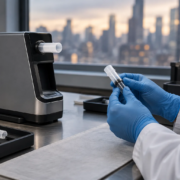
Which Records Help Assess NYC DWI Breathalyzer Calibration?
A breath-test number can look precise, but understanding what it represents may require more than reading a result sheet. If you are facing a DWI charge in New York City, you may wonder whether the instrument was properly maintained, whether its accuracy checks were documented, and who operated it. NYC DWI lawyers evaluating breathalyzer calibration records generally look for a coherent record trail—not a single entry viewed in isolation. Pinto Law Offices helps people understand what evidence may be relevant and how a record concern fits into the broader case. This article explains the types of records counsel may request or review, how an unexplained gap should be assessed, and why instrument history is only one part of evaluating breath-test evidence. New York procedures and the significance of particular records depend on the facts, the instrument, and the applicable law.
How NYC DWI Lawyers Review Breathalyzer Calibration and Maintenance Records
A lawyer may start by identifying the specific instrument used and the records that relate to it around the date of the test. The goal is to understand the instrument’s documented condition and checks—not to assume that a test was accurate or inaccurate based on one isolated page.
Records that may form the instrument’s history
Depending on the device and the agency involved, relevant materials may include:
- Maintenance, repair, and service entries, including the dates and nature of work performed.
- Calibration or accuracy-check records, along with information identifying the instrument and the testing standard or method used.
- Records showing whether the instrument was taken out of service, returned to use, or subject to follow-up checks.
- Test records and related documentation that can help connect the instrument’s history to the particular breath test.
The names and format of these records can vary. A lawyer may compare dates, instrument identifiers, and recorded events to see whether the documents tell a consistent story. A gap may prompt questions, but does not by itself establish that the instrument failed or that a test result cannot be used. Its significance depends on what the records cover, what other documentation exists, and how the issue relates to the specific test.
What NYC DWI Lawyers May Check About Testing and Documentation
Calibration is one part of the technical foundation; the surrounding documentation can help show how a breath test was conducted and recorded. A lawyer may review who administered the test, what records document that person’s role or qualifications, and whether the available materials correspond to the test at issue. The purpose is to identify what the records establish, what they leave unclear, and whether further explanation may be relevant.
In a New York City DWI case, records may come from the agency or location involved in the testing, and the materials available can vary by case. A lawyer may consider whether timestamps and identifiers align across documents, whether entries appear complete, and whether a repair or check described in one record is reflected elsewhere. This is a fact-specific review, not a checklist that automatically decides whether evidence is admissible or persuasive.
Questions may include:
- Does each record identify the instrument clearly enough to connect it to the test?
- Are the dates and entries consistent across maintenance, accuracy-check, and test documentation?
- Is there an explanation or supporting record for an apparent gap or unusual entry?
- Do the records show who performed a check or service and what was done?
NYC Criminal Court proceedings and other case stages can involve different evidentiary questions. Whether a record concern matters may depend on the governing New York law, the foundation offered for the evidence, and the particular facts. Laws and procedures vary by location and may change, so a general article cannot determine how a specific record will be treated.
How Lawyers Put Record Irregularities in Context
An incomplete file, a date discrepancy, or an unexplained maintenance entry can be worth investigating. But none should be treated as automatic proof that a breath test was wrong. A lawyer may ask whether the issue relates to the instrument used, whether another source clarifies it, and whether the concern affects the basis for relying on the result. The answer may be different from one case or device to another.
The instrument’s technical history also does not answer every question about the test. Counsel may examine the traffic stop, the testing process, and other evidence in the case. A calibration concern is one potential evidentiary issue among others; readers can review broader ways to challenge DWI evidence in New York to understand how a lawyer may assess related issues. Likewise, records about the device address a different question from how breath-test timing can affect a DWI result: what the instrument’s history supports, versus what a result may indicate about alcohol level at an earlier time. For additional context on this issue, see how breath-test timing can affect a DWI result.
When considering counsel, it can be useful to ask who will examine the records, how that review connects to the rest of the evidence, and what experience the attorney has with chemical-test issues. These are practical questions about a DWI lawyer’s experience with chemical-test evidence. A careful review should distinguish a genuine unanswered question from a record detail that has a reasonable explanation.
Frequently Asked Questions
What breathalyzer records might a lawyer request or review?
Depending on the case and instrument, counsel may review maintenance and repair entries, calibration or accuracy-check documentation, instrument identifiers, test records, and materials showing who performed relevant checks or administered the test. The available records and their format can vary. A lawyer may compare them to see whether they relate to the same device and whether they provide a coherent account around the test date.
Does a missing calibration entry automatically invalidate a breath test?
No. A missing entry may raise a question, but it does not automatically prove that the device was inaccurate or that the result must be excluded. Its importance depends on the record set as a whole, the instrument and testing circumstances, any available explanation, and the legal issues in the case. A lawyer can assess whether the gap has a meaningful connection to the result being offered.
Can maintenance records show whether a particular test was accurate?
They may provide information about the instrument’s condition and documented checks, but they do not necessarily answer every question about an individual test. The test procedure, operator documentation, timing, and other evidence may also matter. How much a record supports a conclusion depends on what it contains and how it relates to the specific device and test.
Should I bring my breath-test paperwork to a lawyer in NYC?
If you have paperwork related to a DWI charge, it may help an attorney understand what records are already available and what questions may remain. The documents alone may not include the complete instrument history or supporting materials. A lawyer can explain what additional information may be relevant based on the circumstances and applicable New York law.
How Pinto Law Offices Can Help
Pinto Law Offices is dedicated to helping people facing DWI charges understand the evidence and the questions that may deserve closer review. A case-specific evaluation may consider maintenance and calibration records, operator documentation, testing procedures, and how the breath-test evidence fits with the rest of the case. No single record detail guarantees a particular result, and the legal significance of an issue depends on the circumstances. If you have questions about a New York City DWI charge, contact Pinto Law Offices to request a free consultation or case evaluation and discuss your situation with the firm.
The information in this article is for educational purposes only and does not constitute legal advice. Contact a qualified attorney authorized to practice in the jurisdiction that applies to your matter for advice specific to your situation.






