How to Challenge a Police Lineup in New York

How to Challenge a Police Lineup in New York

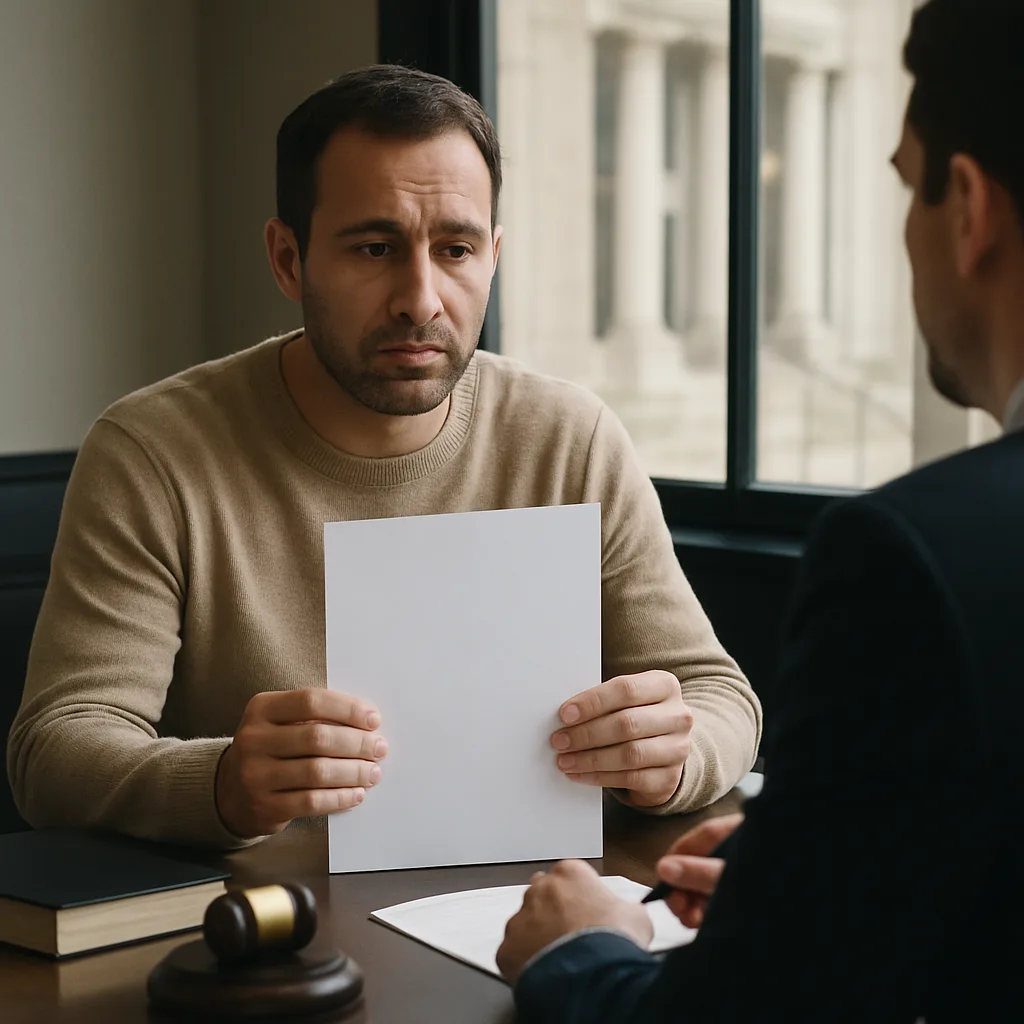
A witness points to you in a lineup, and the prosecution treats that identification as the center of its case. That does not make it reliable. Knowing how to challenge a police lineup can be critical when an arrest, felony charge, or your freedom rests on a stranger’s memory under stressful conditions.

Eyewitness identification can be powerful in court, but it is not infallible. A lineup may be unfair because police signaled whom the witness should choose, because the fillers did not resemble the suspect, or because the witness had already seen the suspect’s photo. A strong defense examines every part of the procedure, not just the witness’s final answer.

Why police lineups can produce false identifications

A witness can be sincere and still be wrong. Memory does not work like a recording. Stress, poor lighting, a short opportunity to observe, the presence of a weapon, intoxication, distance, and the passage of time can all affect what a person remembers.

The lineup procedure can make those problems worse. If an officer tells a witness that the suspect is in the lineup, the witness may feel pressure to choose someone. If one person stands out because of age, skin tone, facial hair, clothing, or a distinctive feature that matches the witness’s description, the process may steer the witness toward that person.

Once a witness makes an identification, confidence can grow over time, especially after police or prosecutors respond positively. That later confidence may sound convincing to a jury, even when the original identification was uncertain. The defense must separate what the witness actually saw during the event from what the witness learned or came to believe afterward.

How to challenge a police lineup: start with the procedure

The central issue is often whether the lineup was unnecessarily suggestive. The question is not simply whether the witness selected the accused. It is whether law enforcement used a procedure that improperly influenced that selection.

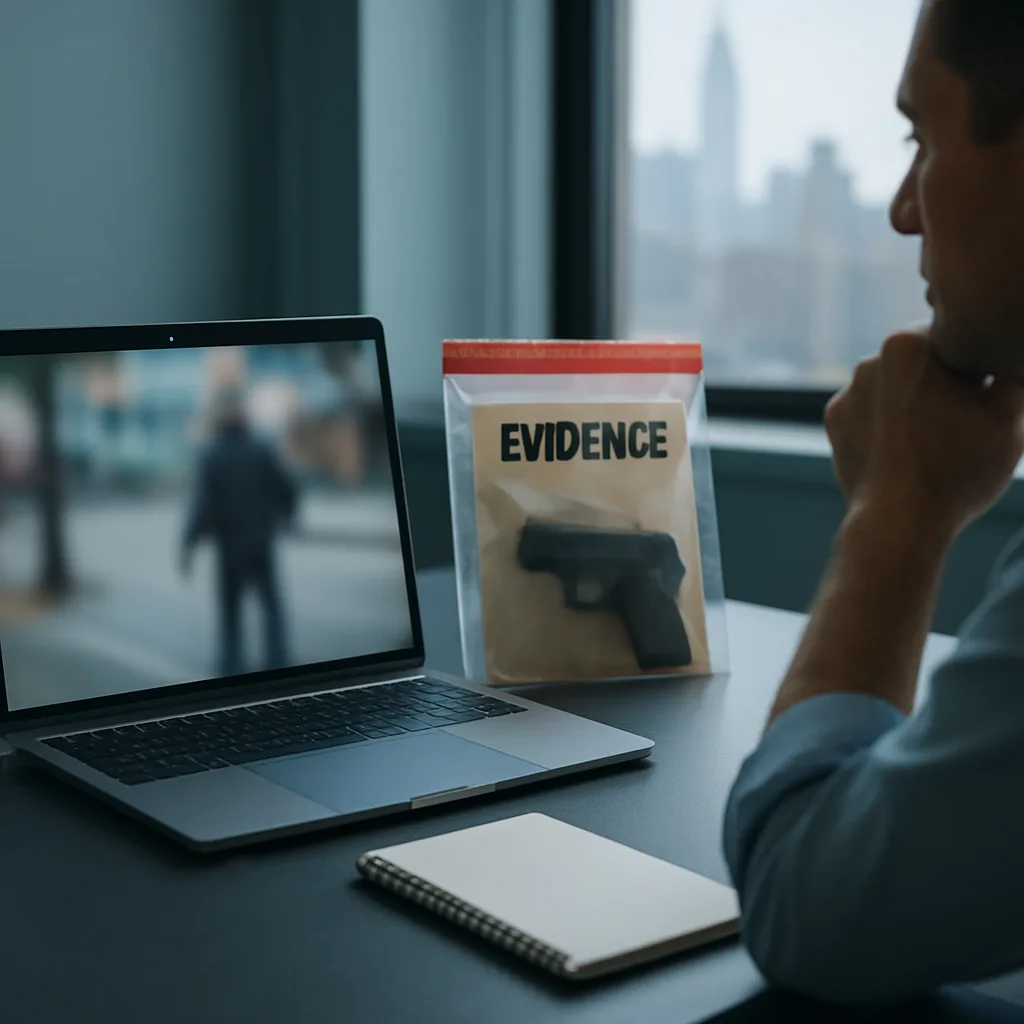
A defense attorney should obtain and closely review the lineup materials. Depending on the case, that can include photos or video of the lineup, the photo array itself, reports, detective notes, body-camera footage, witness statements, recordings, and records showing who administered the procedure. The details matter.

Look at the lineup fillers

A fair lineup should include fillers who generally fit the witness’s original description. They do not need to be identical, but the suspect should not be the only person with the feature the witness identified.

For example, suppose a witness described a young man with a shaved head and a prominent neck tattoo. If the accused is the only person in the lineup with a shaved head, or the only person whose neck is visible, the lineup may be improperly suggestive. The same concern can arise when one person is significantly older, larger, differently dressed, or placed in a position that draws attention.

Examine what police said before and after

Words from an officer can influence a witness, even if they seem minor. A witness should not be told that police have caught the person who committed the crime or that the suspect is definitely included in the group. Proper instructions generally make clear that the perpetrator may or may not be present and that the witness should not feel required to choose anyone.

The defense should also examine feedback after the identification. Statements such as “good job,” “you picked the right person,” or even a visible reaction from an investigator can reinforce a choice and inflate the witness’s confidence. A report that records only a confident in-court identification, while omitting initial hesitation, does not tell the full story.

Identify prior exposure to the suspect

A lineup can be tainted before it begins. Did the witness see the accused in handcuffs at the scene? Did an officer show the witness a single photo before presenting an array? Did the witness view a social-media image, surveillance still, news report, or another witness’s selection?

Repeated exposure creates a serious risk of source-memory error. The witness may recognize a face from police procedures rather than from the crime itself. That distinction can be difficult for a witness to appreciate, but it can be decisive in court.

Challenge the witness’s opportunity to observe

Even a lineup that appears procedurally fair can be unreliable if the witness had little ability to see the perpetrator. The defense should investigate the conditions at the time of the alleged crime: lighting, weather, distance, duration, obstructions, stress, and whether the witness was focused on a weapon or escape.

Descriptions given immediately after an incident deserve close attention. Did the witness initially provide a detailed description, or a broad one that could fit many people? Did the description match the accused before police conducted the lineup? Major differences involving height, build, facial hair, clothing, age, or identifying features may undermine the prosecution’s claim that the identification was dependable.

Cross-racial identifications may also require careful scrutiny. Research has repeatedly shown that people can have more difficulty accurately identifying individuals of another race, particularly after a brief or stressful encounter. This is not an accusation that a witness acted in bad faith. It is a reason to test the evidence rigorously rather than accept it without question.

What happens in a New York lineup challenge

In New York criminal cases, the prosecution may be required to provide notice that it intends to use identification evidence. The defense must act promptly. Waiting too long can limit available challenges, so a person charged after an identification procedure should speak with a criminal defense attorney as soon as possible.

The defense can seek a hearing, commonly called a Wade hearing, to challenge the lineup or photo identification procedure. At that hearing, the court evaluates whether police used unduly suggestive methods. The prosecution may call officers and witnesses to explain how the identification was conducted, while the defense can expose gaps, inconsistencies, and unfair features in the process.

If the court finds the procedure was suggestive, the prosecution may still try to use an in-court identification by arguing that the witness had an independent basis for recognizing the accused. That is why the underlying observation conditions remain so important. A witness who had only seconds to view a person in poor lighting may have a much weaker independent basis than a witness who knew that person well before the incident.

An attorney can also challenge identification evidence through pretrial motions, cross-examination, expert testimony where appropriate, and investigation that reveals an alternative suspect or contradicts the witness’s account. There is no single argument that works in every case. The strategy depends on the records, the witnesses, and the exact steps police took.

Do not try to fix the problem yourself

If police ask you to participate in a lineup, photo array, or showup, do not assume the process is routine or harmless. Do not argue with investigators, attempt to influence a witness, contact the alleged victim, or post about the matter online. Those actions can create new problems and may be used against you.

Instead, exercise your right to remain silent and clearly ask for an attorney. Whether counsel must be present can depend on the stage of the case and the circumstances, but asking for legal representation protects you from making avoidable statements while the situation develops.

If a lineup already occurred, write down everything you remember as soon as you can: who was present, what officers said, whether you were shown to a witness beforehand, what you wore, where you stood, and whether anything felt unusual. Do not alter records or coordinate stories. Preserve information for your lawyer so it can be investigated properly.

A police identification can feel overwhelming because it places a face on the prosecution’s theory. But an identification is evidence to be tested, not a verdict. The first hours after an arrest or lineup matter. Get experienced counsel involved early enough to demand the records, challenge the procedure, and fight to protect your rights before an unreliable identification hardens into the case against you.

Best Defenses for Assault Charges in New York

Best Defenses for Assault Charges in New York

An assault arrest can move fast. One argument, a crowded bar, a family dispute, or a confrontation on the street can become a criminal case before you have had time to explain what happened. The best defenses for assault charges are not one-size-fits-all arguments. They depend on the evidence, the injuries alleged, the relationship between the people involved, and whether the police got the facts right.

In New York, an accusation is not a conviction. Prosecutors must prove every required element beyond a reasonable doubt. A strong defense begins by testing their version of events, protecting your rights from the start, and refusing to let an arrest report become the final word.

What Prosecutors Must Prove in an Assault Case

New York assault charges range from misdemeanor Assault in the Third Degree to serious felony accusations involving a weapon, significant injury, or an alleged intent to cause serious physical injury. The level of charge matters, but every case still comes down to proof.

Depending on the statute, the prosecution may need to establish that you intentionally caused physical injury, recklessly caused injury, or caused injury through criminal negligence with a dangerous instrument. Those terms have legal meaning. A person being hurt does not automatically prove that the other person committed assault.

The prosecution may rely on a complainant’s statement, police observations, medical records, photographs, surveillance video, 911 calls, text messages, and witness accounts. Each source can be challenged. Memories change, reports contain assumptions, videos may begin after the key events, and medical documentation can show treatment without proving who caused an injury or how it occurred.

The Best Defenses for Assault Charges Depend on the Facts

A defense lawyer should not choose a theory because it sounds good in the abstract. The goal is to find the defense supported by the evidence and pursue it aggressively. Several defenses frequently arise in New York assault cases.

Self-Defense and Defense of Another Person

New York law permits the use of physical force when a person reasonably believes it is necessary to defend against another person’s use or imminent use of unlawful physical force. The force used must be proportionate to the threat as you reasonably perceived it.

Self-defense is often central where both people were involved in a fight, where the complainant was the initial aggressor, or where a confrontation escalated quickly. Witness accounts, video footage, prior threats, defensive injuries, and the timing of the 911 call can all matter. The question is not simply who was injured more severely. It is whether your actions were legally justified under the circumstances.

Defense of another person can apply under similar principles. If you stepped in because someone else faced an immediate threat, that context must be investigated, not ignored.

Lack of Intent

Many assault charges require proof that you intended to cause physical injury. Accidents happen. A person may fall during an argument, get hurt while being separated from a fight, or suffer an injury during conduct that was careless but not intentional.

Intent is usually inferred from circumstances rather than proven by a direct admission. That creates room for a defense when the evidence is ambiguous. The location of injuries, the sequence of events, video evidence, and statements made immediately afterward may undermine the claim that you intended to hurt anyone.

This defense has limits. Some assault allegations are based on recklessness rather than intent. Still, the prosecution must prove the specific mental state required for the charge. A prosecutor cannot fill that gap with speculation.

False Accusation or Mistaken Identification

Assault allegations sometimes arise from anger, jealousy, custody disputes, breakups, workplace conflicts, or efforts to gain an advantage in another dispute. A complainant may exaggerate, omit their own conduct, or identify the wrong person in a chaotic situation.

A false-accusation defense is not just calling someone a liar. It requires investigation. That may include comparing statements over time, obtaining communications between the parties, identifying neutral witnesses, reviewing surveillance footage, and examining whether the physical evidence fits the accusation.

Where identification is disputed, lighting, distance, intoxication, stress, and the speed of the incident can all affect reliability. Police certainty is not the same as accurate identification.

Insufficient Evidence of Physical Injury

For many New York assault charges, the prosecution must prove physical injury, meaning impairment of physical condition or substantial pain. A claim of discomfort alone may not meet that standard.

Medical records can be useful to the prosecution, but they can also reveal weaknesses. Did the person seek treatment immediately? Was there an objective injury? Do the records describe a condition consistent with the claimed assault? Were there prior injuries or another possible cause?

This is not an argument that injuries do not matter. It is an argument that the prosecution must prove what the law requires, with reliable evidence, rather than relying on labels in a complaint.

Credibility Problems and Inconsistent Statements

Many assault cases turn on credibility. If the complainant, witnesses, or responding officers give inconsistent accounts, those differences can be decisive. The first account to a 911 operator may differ from the police report. A body-worn camera recording may contradict an officer’s written narrative. A witness may have a personal reason to take sides.

Small inconsistencies do not always defeat a case. People can remember stressful events imperfectly. But material contradictions about who started the confrontation, whether a weapon was present, what was said, or how an injury occurred can create reasonable doubt.

Constitutional and Police Misconduct Issues

The government must follow constitutional rules while investigating and prosecuting a case. An unlawful stop, arrest, search, or interrogation can affect whether evidence is admissible. If police questioned you in custody without properly honoring your Miranda rights, statements may be subject to suppression.

An attorney should examine body camera footage, arrest paperwork, witness interviews, and the basis for police action. In some cases, an aggressive or incomplete police investigation leads officers to accept one story without meaningfully testing the other. That is not a harmless shortcut when your freedom and record are on the line.

Why Early Defense Work Matters

Waiting for the first court date can cost you valuable evidence. Surveillance footage can be overwritten. Witnesses can become difficult to locate. Text messages, photos, call records, and social media posts can be misunderstood or disappear.

Do not try to fix the situation by contacting the complainant, posting about the case, or asking friends to pressure anyone to change a statement. Those choices can create new problems, especially where an order of protection is in place. Preserve what you have, follow every court order, and speak with a defense attorney before making decisions that affect your case.

Early case review can also shape negotiations. A prosecutor is more likely to reassess a weak or overstated allegation when the defense can identify evidentiary gaps, legal issues, and mitigating facts. Sometimes the right result is dismissal. In other cases, the realistic goal may be a reduction, an adjournment in contemplation of dismissal, or another resolution that limits damage to your record. The right approach depends on the charge, your history, the evidence, and your priorities.

Do Not Let an Assault Charge Define the Outcome

An assault accusation can threaten employment, immigration status, professional licensing, family relationships, and educational opportunities. It can also carry immediate conditions such as an order of protection, travel restrictions, or limits on contact with people you care about.

You do not need to prove your case to the police at the scene or explain away an allegation alone. You need a clear assessment of the evidence, the risks, and the defenses available to you. The Law Offices of Gregg A. Pinto approaches assault cases with the urgency they demand, including close scrutiny of how the prosecution built its case and where that case can be challenged.

The most useful step after an arrest or accusation is simple: protect your rights early, preserve evidence, and get informed legal advice before a temporary crisis becomes a permanent record.

Can Self Defense Beat Assault Charges in New York?

Can Self Defense Beat Assault Charges in New York?

A fight can unfold in seconds. The arrest, charging decision, and damage to your reputation can last far longer. Can self defense beat assault charges? In many cases, yes – but only when the facts support a legal justification for the force used. Saying “I was defending myself” is not enough by itself. The evidence must show why you believed force was necessary and why your response was reasonable under the circumstances.

In New York, self-defense is called justification. It can result in a dismissal, acquittal, reduction of charges, or stronger leverage in negotiations. But it is a fact-driven defense. The same punch may look like protection in one situation and unlawful retaliation in another.

Can Self Defense Beat Assault Charges?

New York Penal Law generally permits a person to use physical force when they reasonably believe it is necessary to defend themselves or another person from the use or imminent use of unlawful physical force. That rule has limits, and the details matter.

An assault allegation is not automatically defeated because the other person threw the first punch. A prosecutor will examine the entire encounter: who initiated the confrontation, whether there was an immediate threat, whether the accused had a reasonable perception of danger, and whether the force continued after the danger ended.

For example, a person who pushes an attacker away during an active confrontation may have a strong justification argument. Someone who chases the same person down the street and strikes them after the confrontation has ended may face a much harder case. Self-defense protects necessary force. It does not protect revenge, punishment, or retaliation.

The level of force also changes the legal analysis. New York places stricter conditions on the use of deadly physical force. A person generally must reasonably believe that deadly force is needed to stop imminent deadly physical force or certain serious violent crimes. Outside a home, a duty to retreat may apply if the person knows they can retreat with complete safety, subject to important legal exceptions. These cases demand careful review, not assumptions.

What Makes a Self-Defense Claim Strong or Weak

A self-defense claim is built from facts, not labels. The prosecution may rely on a complainant’s statement, photographs, medical records, 911 calls, body-worn camera footage, surveillance video, police observations, and witness accounts. A defense must test each piece of that account against what actually happened.

Several questions often decide the direction of an assault case:

  • Was there an imminent threat, rather than a fear of something that might happen later?
  • Did the other person use or threaten unlawful force?
  • Did you use only the force you reasonably believed was necessary at that moment?
  • Did you stop once the threat stopped?
  • Is there video, a neutral witness, text message, or 911 recording that supports your account?

Your own injuries can matter, but their absence does not automatically defeat self-defense. A person may reasonably protect themselves before suffering a serious injury. Likewise, the other person’s injuries do not automatically prove assault. They may be consistent with a justified effort to escape, block an attack, or protect another person.

The setting is often critical. A crowded bar, an apartment hallway, a subway platform, a workplace dispute, or a domestic argument can produce very different evidence and legal issues. In a fast-moving confrontation, witnesses may see only the final moments. Video may begin after the first threat or end before the key act. A strong defense investigates what the available evidence does not show, not just what it appears to show at first glance.

The Initial Aggressor Problem

New York law can limit a justification defense when a person was the initial aggressor. That does not mean the person who spoke first, used insulting language, or was generally involved in an argument automatically loses the right to defend themselves. Words alone usually do not justify physical force.

The question is whether someone initiated the physical conflict or provoked it with the purpose of causing physical violence. Even then, the analysis can change if that person clearly withdraws from the encounter and communicates that withdrawal, but the other party continues or escalates the attack.

This is one reason a simple police report can be misleading. Police commonly arrive after the physical struggle is over. The person who is injured, upset, or first to call 911 may be treated as the complainant, even if the full record tells a different story.

Reasonable Does Not Mean Perfect

Self-defense is judged in the reality of the moment, not with perfect hindsight. You do not have to make the ideal decision during a sudden attack. But the belief that force was needed must be reasonable under the circumstances as you perceived them.

That distinction matters. If someone raises a fist, blocks your path, threatens to hurt you, and moves toward you, your response may be evaluated very differently than if the person is walking away or standing at a distance. Prior threats, a size difference, the presence of multiple people, a weapon, or an attempt to corner someone can all affect whether a fear of imminent harm was reasonable.

At the same time, anger alone is not a legal justification. A past insult, a prior dispute, cheating accusation, or offensive message does not give someone the right to use force later. The danger must be immediate.

The Burden Does Not Stay on You

You do not have to prove your innocence. When the evidence provides a reasonable basis for a justification defense, the prosecution must prove beyond a reasonable doubt that your use of force was not justified.

That burden is powerful, but it does not eliminate the need for an aggressive defense. A prosecutor may argue that you started the fight, used excessive force, had an opportunity to leave, or acted after any threat was over. The defense must identify the gaps in those claims and preserve the evidence that shows the full context.

This is where early legal work can make a difference. Nearby surveillance footage can be deleted or recorded over. Witness memories fade. Text messages can lose context when screenshots are selectively presented. A defense attorney can move quickly to identify video, request records, locate witnesses, and challenge an account before it hardens into the prosecution’s version of events.

What to Do After an Assault Arrest

An arrest can make people feel they need to explain everything immediately. That instinct can create serious problems. Statements made to police can be misunderstood, shortened in reports, or used to suggest you admitted facts that are not true.

Exercise your right to remain silent and ask for a lawyer. Do not try to talk your way out of the charge, apologize to the complainant, contact witnesses to coordinate stories, or post about the incident online. Even a message intended to make peace can be portrayed as intimidation, an admission, or a violation of a protective order.

Write down your own recollection privately as soon as you can: what happened before the confrontation, exact threats or actions, who was present, where cameras may be located, and any injuries you sustained. Save relevant messages, photos, call logs, clothing, and medical documentation. Do not alter, delete, or manufacture evidence.

If a court issues an order of protection, follow it exactly. A violation can lead to separate criminal charges and can make an already difficult assault case much worse. If the order makes childcare, housing, or work difficult, address that through your attorney and the court, not through direct contact with the protected person.

Why the Charge Level Still Matters

New York assault charges range from misdemeanors to serious felonies. The degree can depend on the claimed injury, whether a weapon was involved, the alleged intent, and the identity of the complainant. A case involving an alleged physical injury may be charged differently from one involving serious physical injury or an accusation involving a police officer.

Do not assume a lower-level charge is harmless. Even a misdemeanor conviction can affect employment, immigration status, professional licensing, housing, family court matters, and future background checks. It can also carry jail exposure, probation, fines, and an order of protection.

A self-defense claim may support a trial defense, but it can also affect charging, bail arguments, plea negotiations, and the possibility of dismissal. The right strategy depends on the evidence, your record, the alleged injuries, and the risks of each available path. There is no one-size-fits-all answer.

The Law Offices of Gregg A. Pinto approaches assault allegations with an understanding of how prosecutors evaluate evidence and where their cases can break down. When your freedom, record, and reputation are on the line, the facts need to be investigated early and your rights need to be defended from the start.

The most useful step after a self-defense arrest is not to convince everyone of your side in one conversation. It is to protect your rights, preserve the evidence, and put a disciplined legal strategy in place before the case begins defining your future.