
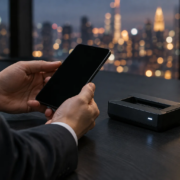
Which Phone Data Can NYC Criminal Counsel Examine?
An arrest in New York City can leave someone with an urgent question: if police take a phone, can they also look through its messages, photos, location history, or apps? An NYC criminal lawyer can help assess the difference between a device being held as potential evidence and investigators accessing the information it contains. Those are related, but legally distinct, steps.
The answer depends on the circumstances, including whether police obtained a warrant, what it authorizes, and whether an exception or consent may apply. Data held by an online account can raise separate questions from information stored on the phone itself. Pinto Law Offices helps people understand the issues that may arise in New York City criminal cases. This article explains what to ask about a phone seizure, search paperwork, account data, and the handling and interpretation of digital evidence. It offers general information about New York law and procedure; the details of an individual case matter.
What an NYC criminal lawyer can assess about a phone search
Police may take physical custody of a phone during an arrest or investigation. That does not, by itself, answer whether they may examine its contents. The distinction matters because a device can be secured while investigators seek legal authority to search the data. In many situations, a warrant is required to search the digital contents of a phone, but consent and certain exceptions may affect the analysis. The facts and applicable law must be considered carefully.
What a phone warrant may—and may not—authorize
A warrant’s terms can define the devices, data categories, accounts, or time period investigators may examine. Counsel may compare those terms with what investigators actually accessed, including whether the search extended to material outside the stated scope. A warrant may also describe how data can be searched or seized. The details matter, and a warrant’s existence does not automatically resolve every question about the way a search was carried out.
A review of a phone-search warrant’s scope can help explain why the language and execution of search paperwork deserve attention. Questions may include whether investigators searched the specified device, whether the information was within the permitted categories, and how the search related to the suspected offense. A lawyer can assess these issues in the context of the case rather than treating every phone search as the same.
In New York City, the relevant criminal case may be handled in a New York City Criminal Court or, depending on the charge and procedural stage, a New York State Supreme Court. The court and process involved do not change the need to examine the specific legal basis for obtaining and reviewing the data.
What happens to phone data and account information?
A phone can contain texts, call records, photographs, videos, contact information, app data, and location-related information. Investigators may use forensic methods to create or examine a copy of available data. The contents they can access may depend on the device, its settings, encryption, and the authority they have. Deleted information is not necessarily recoverable, and the presence of a forensic copy does not establish that every item is complete or accurate.
Information held by a service provider or in a cloud account is not always the same as data stored locally on a device. Access to account records may involve different legal process, providers, and data categories. It is useful to ask what source produced each item, when it was collected, and whether the records show a complete conversation or only selected portions.
Messages can be open to interpretation without context. Timing, participants, attachments, surrounding conversation, and how the data was attributed to a particular person may all matter. For a focused discussion of how text messages can help or hurt an NYC assault case, see our related resource.
Counsel may also ask how investigators preserved and processed the data. Relevant questions can include whether collection logs exist, whether the extraction method is documented, whether the original device was preserved, and how investigators maintained the evidence after collection. These are points for review, not automatic proof that data is reliable or unreliable.
Questions to raise with counsel about a seized phone
A careful review can begin with basic questions about what happened and what records exist. Depending on the circumstances, a person may want to ask counsel:
- When and where was the phone taken, and who has had access to it?
- Was there a warrant, and what devices, accounts, data types, or dates did it cover?
- Did investigators ask for consent, and what exactly was communicated or signed?
- Did police access the phone itself, a linked account, or records held by a provider?
- What extraction reports, search logs, or evidence-handling records are available?
- Are the messages or files being discussed complete, properly attributed, and presented in context?
Avoid treating a device as the only source of relevant evidence. Messages may connect to photos, videos, call records, or other material that helps establish context. A lawyer can discuss preserving messages and other assault evidence in NYC and how to avoid changing potentially relevant material. Deleting, editing, resetting, or attempting to access a device after it has been seized can create complications; what is appropriate depends on the situation and should be discussed with counsel.
When evaluating representation, a person may also ask about counsel’s experience reviewing search paperwork and digital evidence, and how they communicate about technical issues. This resource on what to look for in NYC defense lawyers offers related considerations. A lawyer can explain which issues are relevant to the particular facts and procedural posture.
Frequently Asked Questions
Can police look through a phone just because they arrested its owner?
An arrest alone does not automatically settle whether officers may search the phone’s digital contents. In many situations, law enforcement needs a warrant or another recognized legal basis, though consent and exceptions may be relevant. Taking temporary custody of a device and examining its data are distinct actions. The facts, the legal authority asserted, and the scope of any search all matter under applicable New York and federal law.
What if I gave police my phone passcode?
The effect of providing a passcode can depend on what was requested, what was said, whether consent was voluntary, and the surrounding circumstances. Passcode and device-access questions can also involve complex legal issues. A person should not assume that one general rule answers every case. Counsel can review the circumstances and any related statements, forms, or search records to assess what access was authorized and whether its limits were respected.
Can police get information from a cloud account without taking my phone?
Potentially, but access to information held by an online service can involve legal process distinct from a physical search of a phone. The applicable process may depend on the provider, type of data, and circumstances. Account records can also differ from what appears on the device. In a New York City case, counsel may examine what was requested, what was returned, and how the records relate to the allegations.
Could a phone search affect the criminal case?
Digital evidence may become part of an investigation or prosecution, but its significance depends on relevance, authenticity, completeness, and how it was obtained and interpreted. A message or location record does not necessarily tell the whole story on its own. A lawyer can assess potential issues with the search authority, data collection, context, and admissibility based on the case record. No general article can predict how a court will treat particular evidence.
How Pinto Law Offices Can Help
Pinto Law Offices is dedicated to helping people understand the legal and practical questions that may arise after a phone is seized or searched in a New York City criminal matter. The firm can review available search paperwork, discuss the difference between device custody and access to contents, and evaluate questions about account data and the handling of digital evidence. The right issues to investigate depend on the facts, the legal authority used, and the stage of the case. If you are looking for an NYC criminal lawyer to discuss a phone search, contact Pinto Law Offices to request a free consultation or case evaluation. The firm is committed to fighting for clients’ rights while explaining the process and available options clearly.
The information in this article is for educational purposes only and does not constitute legal advice. Contact a qualified attorney authorized to practice in the jurisdiction that applies to your matter for advice specific to your situation.






