
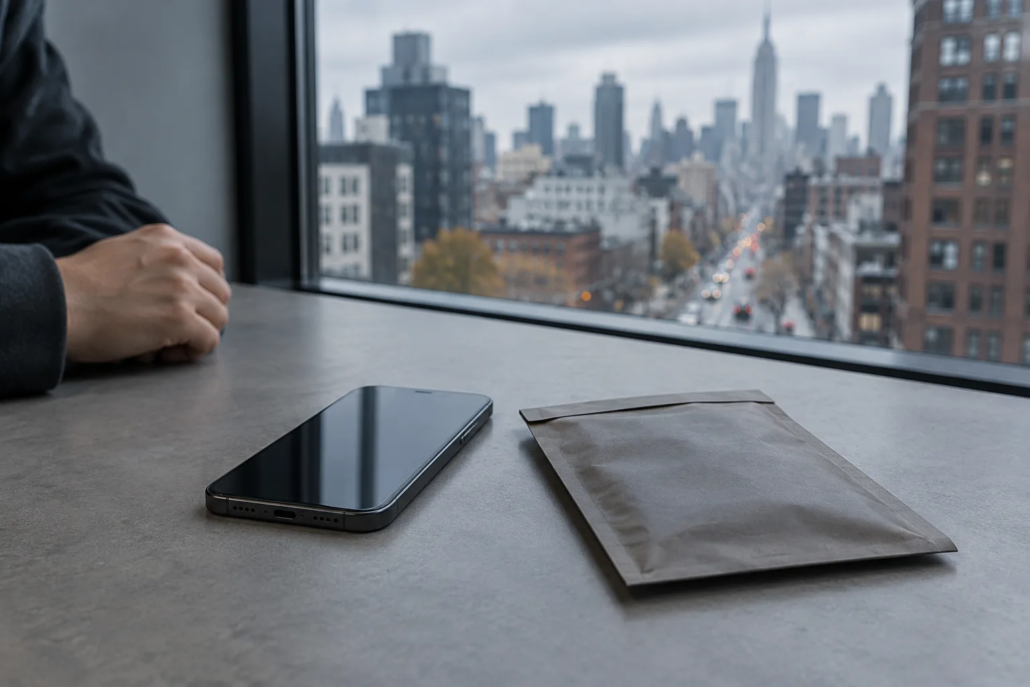
Why Should Counsel Review NYC Criminal Phone Searches?
A phone can hold years of messages, photographs, location information, and account data. If NYPD or another agency seeks a phone during a criminal investigation, the warrant’s terms can shape what investigators are authorized to examine. For a related overview of how phone access may be sought after an NYC assault arrest, including grounds other than a warrant, see Pinto Law Offices’ guide. The practical question is not only whether investigators have a warrant, but what it permits them to search and how they carried out that search.
An NYC criminal phone search warrant may authorize a focused review of digital evidence, not an unlimited examination of a person’s private life. In New York City, the wording of the warrant, the suspected offense, and the search methods used can all matter. Pinto Law Offices helps readers understand the issues that may arise when digital evidence becomes part of a case. This article explains how warrant scope works, how a warrant differs from other legal grounds to access a phone, and why counsel may review both the warrant and the search history.
What limits the scope of an NYC criminal phone search warrant?
A search warrant must describe with sufficient particularity the place to be searched and the items or evidence investigators are authorized to seek. For a phone, the warrant may identify the device, the suspected offense, relevant types of data, and a time period. The details vary. A warrant might authorize a search for particular communications or photographs connected to an alleged offense, rather than a review of every file without regard to relevance.
Digital searches can raise difficult scope questions because a single device stores many kinds of information. Investigators may use forensic tools to collect or sort data, but the warrant’s language and the purpose of the search remain important. A broad technical extraction does not by itself answer whether every item reviewed or retained was within the authorized scope. Courts assess the warrant and its execution in light of the facts and applicable law; there is no one rule that resolves every phone search.
Particularity and the suspected offense
The warrant’s connection to the investigation matters. Counsel may examine whether its description reasonably identifies the evidence sought and whether the search stayed tied to that purpose. A warrant that names a device but gives little guidance about the data sought can prompt questions, though the legal analysis depends on the document and circumstances.
What digital information might be collected?
Depending on the warrant, a search may involve texts, photographs, call records, app data, or other stored information. Investigators may also seek information from a service provider through a separate legal process. Whether a particular category is covered should be assessed against the actual warrant and the method used to obtain it.
When may investigators access a phone without relying on a warrant?
A warrant is one legal basis for a phone search, but investigators may also claim another basis, such as valid consent or exigent circumstances. Those grounds are not interchangeable. Consent generally turns on what was agreed to and the circumstances of the agreement. Exigent circumstances involve an urgent situation that may justify action without first obtaining a warrant; whether the facts meet that standard is context-specific.
An arrest, by itself, does not automatically authorize a forensic search of the digital contents of a phone. The U.S. Supreme Court addressed searches of digital information on phones incident to arrest in Riley v. California. That decision is an important general protection, but it does not answer every question about a search based on a warrant or another asserted legal ground. For more on the distinction after an arrest, read how phone access may be sought after an NYC assault arrest.
When reviewing an investigation, counsel may ask:
- Was a warrant issued, and what device or data did it identify?
- Did investigators rely on consent, and what was its stated scope?
- Did they claim an emergency or another exception to the warrant requirement?
- Was information obtained directly from the phone, from a provider, or through more than one process?
In New York City, local law enforcement and prosecutors may be involved at different stages. The legal basis and records for each step should be identified rather than assumed from the fact that a device was taken.
How can counsel review a phone search and the evidence it produced?
A phone’s seizure, forensic examination, and later use of extracted material are related but distinct issues. Counsel may compare the warrant with the search records, including available extraction reports, dates, search terms, categories reviewed, and items selected for the investigation. The goal is to understand whether the search followed the warrant’s limits and whether the evidence can be reliably connected to the person or events at issue.
That review may also consider the content in context. A message can be incomplete without the surrounding conversation; investigators and the defense may need to assess authorship, timing, and whether the material falls within the authorized scope. For a related discussion of how text messages can affect an NYC assault case, see Pinto Law Offices’ article on messages and digital evidence.
If the search appears to have exceeded its authority or relied on a disputed legal basis, counsel may evaluate how courts may evaluate a request to suppress evidence. Suppression is not automatic; it depends on the facts, applicable law, and court review. The warrant, supporting papers, and execution history can be important to that analysis.
People involved in an investigation may also have relevant material on their own devices or accounts. Altering or deleting potentially relevant data can create complications. Discuss preservation and collection with counsel; Pinto Law Offices also provides information about preserving messages, videos, and other relevant evidence. That guidance can help readers think about maintaining material that may support or contradict an allegation without disturbing the evidence under review.
Frequently Asked Questions
Can investigators keep my phone after executing a warrant?
A warrant may authorize the seizure of a device for examination, and the practical time needed to process it can vary. Whether continued retention is justified depends on the warrant, the investigation, and applicable procedures. The fact that a phone was seized does not establish that every later step was proper. A lawyer can review the warrant and available records to assess the basis for seizure and the status of the device.
Can I refuse to give investigators my phone passcode?
Questions about passcodes, compelled disclosure, and device security can involve complex constitutional and factual issues. The answer may depend on the type of device access sought, the legal process, and the circumstances. A person should not assume that a rule about one kind of access resolves every situation. Counsel can assess the particular request and explain the potential legal implications without relying on general assumptions.
Can investigators recover deleted messages from a phone?
Sometimes data that appears deleted may remain available through a device, backup, or service provider, but recovery is not assured. What can be recovered depends on technical factors, how the data was stored, and the legal process used to obtain it. Whether recovered information may be used in a case is a separate legal question, including whether it falls within the authority for the search and can be authenticated.
Does finding a message on a phone prove who wrote it?
Not necessarily. A message’s presence on a device does not, by itself, resolve who composed or sent it, whether the account or device was shared, or what the conversation means in context. Investigators and defense counsel may consider surrounding messages, account information, timing, and other evidence. The significance and admissibility of a particular message depend on the facts and the applicable rules.
How Pinto Law Offices Can Help
Pinto Law Offices is dedicated to helping people understand the criminal process and the evidence involved in their cases. When a phone search is part of a New York City investigation, counsel may review the warrant, its supporting materials, the method of examination, and how extracted information is being used. The firm is committed to fighting for clients’ rights and can evaluate whether questions about scope, consent, or another asserted legal basis warrant further review. If you have concerns about a phone search or digital evidence, contact Pinto Law Offices to request a consultation and discuss your situation.
The information in this article is for educational purposes only and does not constitute legal advice. Contact a qualified attorney authorized to practice in the jurisdiction that applies to your matter for advice specific to your situation.






