Posts

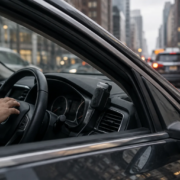
Ignition interlock device in a car on a New York City street, illustrating New York DWI ignition interlock requirements

Which NYC DWI Convictions Require an Ignition Interlock?

A DWI conviction can affect more than a person’s license: a New York court may also require an ignition interlock device as part of the sentence. For drivers in New York City, the practical question is often not just whether an interlock might apply, but which vehicles are covered, how long the requirement lasts, and what counts as compliance. An assumption based on a license card or a conversation at court may not tell the whole story.

Pinto Law Offices helps people understand how the court’s written order and New York State Department of Motor Vehicles (DMV) status fit together. This guide explains who may have to use an interlock after a New York DWI conviction, what installation and monitoring involve, how vehicle use can be affected, and why an alleged device violation deserves careful review. The details depend on the conviction, sentence, and individual driving record, so checking the actual documents is important.

Who may face New York DWI ignition interlock requirements?

New York courts generally impose an ignition interlock condition following qualifying alcohol-related DWI convictions. The requirement is part of sentencing and typically lasts at least six months, although the precise duration and conditions depend on the court order and applicable law. In some circumstances, a court may make a different determination under a statutory exception. A person should not assume that an interlock is unnecessary because the conviction involved a first offense, because driving privileges are limited, or because no device was discussed informally.

The order can require a person to install and use a device in vehicles they own or operate. A limited work-vehicle exception may apply in certain circumstances when the vehicle is owned by an employer and the required notice has been provided. Its availability depends on the facts and the law; it is not a general permission to drive an unequipped vehicle for work.

A DWI case involving a child passenger can carry additional sentencing requirements. Readers can review more about New York DWI charges involving a child passenger, while keeping in mind that the specific disposition and written order determine whether an interlock condition applies in an individual case.

What controls: the conviction or the court order?

The conviction may trigger an interlock requirement, but the sentence spells out the terms that apply to the person. The order may identify the period, vehicle obligations, and conditions of use. In New York City, as elsewhere in the state, the signed sentencing paperwork is more reliable than a general assumption about what a particular DWI outcome requires.

How installation, monitoring, and vehicle use work

When an order requires an interlock, the driver generally arranges installation through a provider authorized for New York’s program. The device measures a breath sample before the vehicle can be started. The person subject to the order must follow instructions for use and attend required service or calibration appointments. Provider charges and scheduling arrangements can vary, so the installation paperwork and current program requirements should be reviewed.

Monitoring is part of compliance, not just a one-time installation. The device may record information related to breath tests, missed tests, service, or attempts to interfere with its operation. Providers transmit or make reports available as required by the program and the order. A driver should understand how the device works, what to do when it gives an unexpected prompt, and how to report a malfunction through the provider’s process.

An interlock order can complicate transportation for people who drive for work. A person with a commercial driver’s license (CDL) should not assume a personal-vehicle interlock answers whether they may operate a commercial vehicle. The separate licensing and employment issues can be significant; see how a New York DWI can affect commercial drivers. The applicable court order, license status, vehicle ownership, and job duties all matter.

In New York City, a driver may need to consider both the sentencing court’s requirements and the DMV’s record of driving privileges. An interlock condition does not itself grant permission to drive. Any restricted or conditional driving privilege has its own terms, and those terms should be checked separately.

How to check compliance and respond to an alleged violation

The court order and DMV status answer different questions. The order sets the sentence-related obligation; the DMV record reflects the person’s current driving status and restrictions. If the documents appear inconsistent, or a license record is unclear, relying on a verbal explanation alone can create avoidable confusion. Compare the written order with current DMV information and clarify any difference through an appropriate legal or administrative channel.

Common issues that may prompt a compliance concern include:

  • Driving a covered vehicle without the required device.
  • Missing a required service or calibration appointment.
  • A recorded test result, missed test, or lockout that the provider reports.
  • Allegations of tampering, bypassing, or attempting to circumvent the device.

A report or alert is not necessarily the whole story. The circumstances, device records, provider information, and the order’s exact terms may all matter. A mechanical problem, misunderstanding of a prompt, or disputed reading should be documented and evaluated rather than treated as automatically resolved or automatically proof of a violation. Depending on the case and sentence, a substantiated violation may lead to further court or supervision consequences.

People in New York City who are unsure what paperwork to review can prepare the sentencing order, DMV notices, provider records, and any violation notice for discussion with counsel. These are useful questions to ask a New York City DWI lawyer when seeking help understanding the order, driving status, or a device allegation.

Frequently Asked Questions

Can I drive a family member’s car if my own car has an interlock?

Not automatically. If the court order applies to vehicles you own or operate, using a family member’s unequipped car may still violate the requirement. The answer can depend on the order, who owns the vehicle, and any applicable exception. Before driving another vehicle, confirm the terms that apply to your sentence and license rather than assuming the device is required only in a car registered in your name.

What if I do not own a vehicle when the court orders an interlock?

Not owning a car does not necessarily end or remove an interlock condition. The order may address vehicles a person operates as well as vehicles they own, and later access to a vehicle can raise compliance questions. The sentence and current DMV status should be checked to understand the practical effect. The details can depend on the court’s terms and whether the person has access to a vehicle.

Does the requirement end automatically after six months?

Not necessarily. Six months is a common minimum period, not a guarantee that every person’s obligation ends on that date. The court may set a longer term, and separate license restrictions or conditions may continue. A driver should verify the end date and any remaining requirements in the court paperwork and DMV records before treating the restriction as over.

What should I do if the device records a failed test or malfunction?

A recorded event should be taken seriously, but it does not by itself explain what happened or determine the legal consequence. Follow the provider’s instructions for reporting a malfunction, keep relevant service or incident records, and review any notice received. If the event may violate a court order or supervision condition, an attorney can help assess the documents and available information in context.

How Pinto Law Offices Can Help

Understanding an ignition interlock obligation can require comparing a sentence, DMV information, and provider records that do not always use the same terms. Pinto Law Offices is committed to helping people understand the issues raised by a New York DWI case, including the scope of an interlock order, vehicle-use questions, and an alleged device violation. The firm can evaluate the information available and explain questions to consider based on the circumstances. If you are dealing with an unclear order or compliance concern in New York City, contact Pinto Law Offices to request a consultation and discuss your situation.

The information in this article is for educational purposes only and does not constitute legal advice. Contact a qualified attorney authorized to practice in the jurisdiction that applies to your matter for advice specific to your situation.

New York DWI ignition interlock requirements shown with a vehicle in New York City

Can You Drive? New York DWI Ignition Interlock Rules

If you are convicted of a New York DWI, you may be allowed to drive only with an ignition interlock device installed in your vehicle. For many people searching for New York DWI ignition interlock requirements, the practical questions are immediate: When must the device be installed? What does it cost? How often must it be calibrated? What happens if a reading, missed appointment, or vehicle issue is treated as a violation?

Pinto Law Offices provides general information to help New York City drivers understand these post-conviction obligations. The rules can depend on the offense of conviction, prior history, sentence, license status, and instructions from the court or New York State Department of Motor Vehicles (DMV). Readers looking for New York DWI lawyers who can review interlock requirements can use the firm’s DWI resource to identify questions for a case-specific consultation. This article explains when an interlock may be required, how the program generally operates, and why careful documentation matters.

When Are New York DWI Ignition Interlock Requirements Triggered?

New York’s ignition interlock rules are connected to certain alcohol- or drug-related driving convictions and the driving privileges that follow them. In general, a court may require an ignition interlock device as part of a sentence, and an interlock condition may also be tied to a conditional license or other restricted driving privilege. The exact requirement is not identical in every DWI case.

Conviction and sentence matter

The charge of conviction is important. A disposition involving a DWI-related misdemeanor or felony can carry different consequences from a non-criminal alcohol-related driving offense. Prior convictions, aggravating facts, and the sentence imposed may also affect whether an interlock is ordered and how long it remains in place.

A first offense does not automatically produce identical requirements for every person. The final sentencing paperwork, license documents, and DMV instructions should be reviewed together. This distinction is important because an arrest alone is not the same as a conviction-based interlock order. For background on suspension, fines, records, and other issues, see this overview of first-time DWI consequences in New York.

Conditional driving privileges

A conditional license may allow limited driving for approved purposes, but it does not necessarily permit unrestricted travel. If an interlock condition applies, driving may be permitted only in a vehicle equipped with an approved device. In New York City, NY, a driver should not assume that a conditional license replaces or overrides a written interlock requirement.

The controlling details may come from several documents, including the judgment of conviction, sentencing order, conditional license, and DMV notices. If those documents appear inconsistent, the issue may require prompt clarification from an attorney or the appropriate agency rather than guesswork.

How Does DWI Interlock Installation Work in New York?

An ignition interlock device is generally connected to a vehicle’s ignition system. Before the vehicle starts, the driver must provide a breath sample. The device is designed to prevent the vehicle from starting when the sample registers alcohol above the programmed limit. It may also require additional samples during a trip, sometimes called rolling retests.

Installation, calibration, and monitoring

The installation process generally involves selecting an authorized provider, scheduling an appointment, and having the device placed in each vehicle covered by the order. The provider explains operating instructions and records the installation. The driver is normally responsible for keeping the device serviced and calibrated on the schedule provided.

  • Completing installation within the time stated by the court, DMV, or provider.
  • Bringing the vehicle to scheduled service and calibration appointments.
  • Paying installation, removal, monitoring, and service charges imposed by the provider, along with any applicable government fees.
  • Keeping the device and vehicle in working condition.
  • Carrying or maintaining proof of installation and compliance when required.
  • Following the provider’s instructions for failed starts, warning signals, and equipment problems.

Service intervals can vary by device and program instructions. Many interlock programs require frequent service, commonly on a roughly monthly schedule, but the driver should follow the exact date supplied by the authorized provider. A missed appointment can generate a compliance report and may create a separate issue even if the vehicle was never driven.

Ignition interlock installation and calibration for a New York DWI case
Installation and scheduled service are central parts of interlock compliance.

What does the device cost?

The total cost can include installation, monthly monitoring, calibration, removal, repairs, and taxes or administrative charges. Prices and payment arrangements vary by provider and circumstance. Some people may qualify for assistance depending on applicable New York program rules and financial circumstances. A driver should ask for a written fee schedule and preserve receipts, appointment records, and communications about equipment problems.

What Conduct Can Create an Interlock Problem or Violation?

An interlock device does more than test the driver at startup. It may record failed starts, retests, tampering alerts, missed service appointments, and other events. A report does not necessarily resolve the legal meaning of an event by itself. The circumstances, device data, provider records, and court or DMV requirements may all matter.

Common problems include:

  1. Attempting to start the vehicle after consuming alcohol. Even a low reading can result in a failed start or required follow-up. Residual alcohol from certain products may also create confusion, so the device’s instructions should be followed carefully.
  2. Allowing another person to provide the breath sample. Circumventing the device or asking someone else to test may be treated as prohibited conduct.
  3. Tampering with or bypassing the equipment. Disconnecting, disabling, or attempting to defeat the device can lead to serious compliance concerns.
  4. Failing to complete a rolling retest. Ignoring a retest, turning off the vehicle, or otherwise failing to respond may create a recorded event.
  5. Missing calibration or service. A missed appointment can result in a lockout, report, or claim that the driver did not comply with the order.
  6. Driving a vehicle that does not have the required device. The interlock condition may apply to every vehicle the person owns or operates, subject to the terms of the order.

What documentation should be kept?

Keep the sentencing order, conditional license, installation certificate, service receipts, calibration records, violation notices, and communications with the provider. If the device displays an error, record the date, time, vehicle condition, and steps taken under the provider’s instructions. Do not alter the equipment or discard records while an issue is being reviewed.

An alleged ignition interlock violation in NY can lead to consequences involving driving privileges, probation, the sentence, or future court proceedings. The response may depend on whether the event was caused by alcohol, equipment malfunction, user error, missed service, or another circumstance. A lawyer can review the written orders and compliance records, but no attorney can determine the likely outcome without examining the facts.

Can a case resolution affect the requirement?

The charge of conviction and sentence may be determined through a plea or trial. A negotiated disposition can shape the legal consequences, but it cannot simply eliminate requirements imposed by statute, the court, or the DMV. Readers can review information about how plea deals can shape DWI sentencing conditions while keeping in mind that the final written documents control.

What Should You Do When an Interlock Requirement Becomes an Issue?

Post-conviction compliance is often administrative as well as legal. A driver may need to coordinate with a provider, the court, probation, and the DMV. New York City, NY drivers should read every notice carefully because a provider’s report, a DMV action, and a court order may address different parts of the situation.

Depending on the circumstances, useful steps may include:

  • Confirming the exact installation deadline and vehicles covered.
  • Comparing the conditional license with the sentencing order.
  • Asking the provider how to report a suspected malfunction.
  • Attending service appointments or documenting why an appointment could not be completed.
  • Preserving all receipts, notices, device printouts, and appointment confirmations.
  • Avoiding any attempt to bypass, disconnect, or manipulate the device.
  • Seeking legal guidance before responding to an alleged violation, probation concern, or license action.

A person should not assume that paying a provider fee resolves a court or DMV problem. Likewise, a device reading should not be ignored because the driver believes it was caused by a technical issue. The legal significance of an event may turn on the governing order and supporting records.

When choosing counsel, a prospective client may want to ask whether the attorney can review the conviction documents, explain the difference between court and DMV requirements, assess alleged interlock violations, and help identify deadlines. The goal is informed decision-making based on the actual record, not a generic promise about the result.

Frequently Asked Questions

Is an ignition interlock device required for every New York DWI conviction?

Not every alcohol-related driving case has identical requirements. Whether an interlock applies can depend on the offense of conviction, prior DWI history, sentence, license status, and applicable court or DMV directives. Some convictions and conditional driving privileges involve an interlock condition, while other dispositions may have different consequences. The judgment, sentencing order, and DMV documents should be reviewed together to determine the requirement in a particular New York case.

Can I drive a different vehicle without an interlock in New York City?

Generally, driving a vehicle that is not covered by the required interlock order can create a compliance problem. The specific order may address vehicles owned or operated by the driver and may contain limited exceptions, if any. A person should not borrow or use another vehicle based on an assumption that the restriction applies only to one automobile. Confirm the scope of the order and license conditions before driving in New York City, NY.

What happens if my interlock device records a failed breath test?

A failed start or other recorded event may be reported to the provider, court, probation department, or DMV, depending on the program and circumstances. The event does not automatically establish why it occurred or what consequence will follow. Preserve the device records, contact the provider according to its instructions, and review any notice carefully. If a violation is alleged, an attorney may evaluate the records and applicable deadlines.

Are interlock costs the same for every New York driver?

No. Costs can vary based on the authorized provider, vehicle type, installation and removal charges, monthly monitoring, calibration, repairs, taxes, and possible assistance programs. The court or DMV may not set the provider’s complete price. Before installation, ask for a written breakdown of expected charges and keep proof of payment. Financial eligibility rules and available assistance may change, so current information should be confirmed directly.

How Pinto Law Offices Can Help

Pinto Law Offices is dedicated to helping people understand the legal and practical consequences that can follow a New York DWI conviction. The firm can review the conviction and sentencing documents, conditional license information, installation records, and notices involving an alleged interlock violation. It can also help a prospective client identify questions about court orders, DMV actions, service records, and compliance deadlines.

Because every case has different facts, the firm does not treat a general interlock explanation as a substitute for reviewing the actual record. Pinto Law Offices is committed to fighting for clients’ rights and is ready to evaluate your situation. Contact the firm to request a free consultation or case evaluation.

The information in this article is for educational purposes only and does not constitute legal advice. Contact a qualified attorney licensed in New York City, NY for advice specific to your situation.