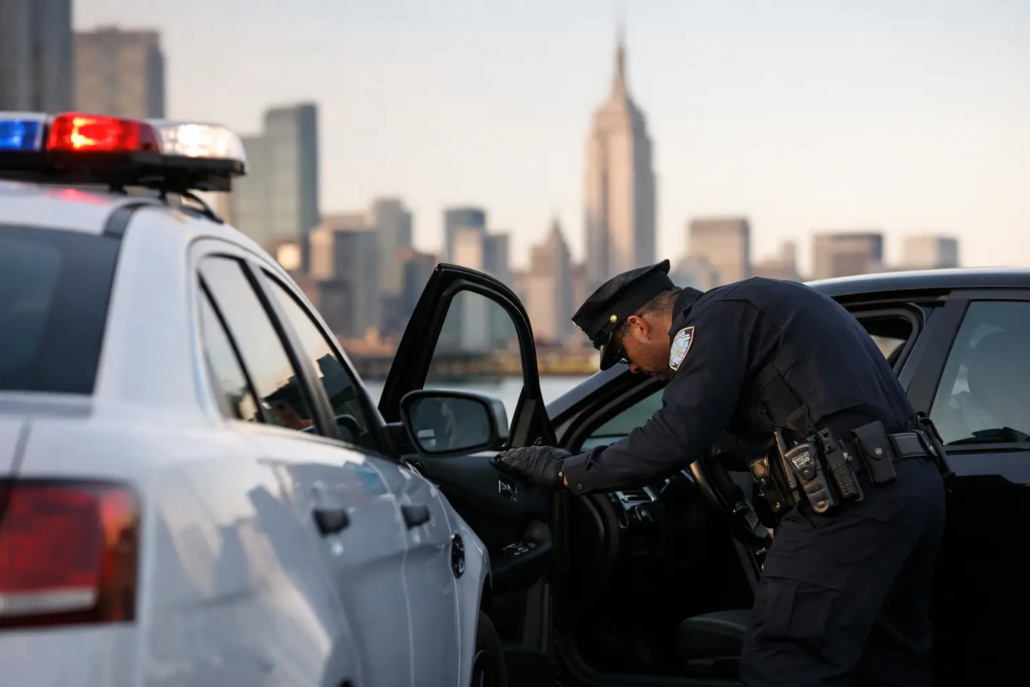
Can Police Search Your Car in New York?
A traffic stop can turn serious fast. One minute an officer says you have a broken taillight. The next, you are hearing questions about where you have been, whether there is anything illegal in the car, and whether they can take a look inside. If you are asking, can police search your car, the answer is not always simple – and that matters because an illegal search can change the entire case.
In New York, police do not get unlimited power just because you are behind the wheel. Your car has less privacy protection than your home, but it is not an open invitation for officers to search whenever they want. Whether a search is legal usually depends on how the stop began, what the officer claims to have observed, whether you gave consent, and what happened before anything was found.
Can police search your car without permission?
Sometimes yes. Sometimes no. That is why the details matter.
Police generally need a legal basis to search your vehicle. One common basis is consent. If an officer asks, “Do you mind if I look in your car?” and you say yes, you may be giving up one of the strongest arguments against the search. Many people agree because they feel pressured, intimidated, or afraid that saying no will make things worse. But in most situations, you do have the right to refuse consent.
If you clearly refuse, that does not automatically end the encounter. Officers may still search if they believe they have another lawful reason. But your refusal can be critical later. It may limit the scope of what they can do and preserve an important issue for your defense.
Another major basis is probable cause. If police have probable cause to believe the vehicle contains evidence of a crime or contraband, they may be allowed to search areas of the car where those items could reasonably be found. Officers often point to things like the smell of marijuana or alcohol, visible drugs or weapons, suspicious packaging, admissions by the driver, or statements from passengers. Whether those facts truly add up to probable cause is often where legal fights begin.
When can police search your car after a traffic stop?
A traffic stop does not automatically give police the right to search. They can stop a vehicle for a suspected traffic violation, but the scope of the stop still has limits. The officer can request license, registration, and insurance, and may ask questions related to the stop. What they cannot do is stretch every routine stop into a fishing expedition without a lawful reason.
That said, officers are trained to build toward a search. They may say they smell something. They may claim they saw furtive movement. They may ask who owns a bag, why someone looks nervous, or whether there is anything they should know about before they “go any further.” Those facts may later be written into a report as justification.
Searches also come up after an arrest. If a driver is lawfully arrested, police may be able to search certain parts of the vehicle under limited circumstances. But this is not unlimited authority to tear through every compartment after every arrest. The legality depends on what the arrest was for, whether the person could still access the car, and whether officers had reason to believe evidence related to the arrest might be inside.
Inventory searches are another area people misunderstand. If police lawfully impound a vehicle, they may conduct an inventory of its contents. On paper, that is supposed to document property and protect against claims of theft or damage. In practice, these searches can become heavily contested when they look more like evidence gathering than standard procedure.
What should you say if an officer asks to search?
Keep it short and respectful. Say, “I do not consent to a search.” Then stop talking.
You do not need to argue the Constitution on the side of the road. You do not need to explain why you are refusing. You do not need to physically block the officer or reach into the vehicle. If police search anyway, let your lawyer challenge it later. Trying to outtalk or outmuscle an officer during the stop can make a bad situation worse.
If the officer asks repeated questions, stay calm and repeat that you do not consent. If you are arrested, use your right to remain silent and ask for a lawyer.
What if police say they smell something?
This is one of the most common justifications for a vehicle search. Officers often rely on alleged odors to claim probable cause. In New York, this area has changed over time, especially with changes in marijuana laws, but the issue is still fact-specific.
The key point is that an officer saying they smelled something does not end the legal analysis. Courts look at the total circumstances. What exactly did the officer claim to smell? Burnt marijuana or raw marijuana? Alcohol? Was anyone impaired? Was anything visible in plain view? Did the officer’s body camera, paperwork, or testimony stay consistent?
These cases often come down to credibility. That is one reason fast legal review matters. A defense attorney can examine the stop, compare reports, seek video, and challenge whether the claimed reason for the search actually holds up.
If the search was illegal, can the evidence be thrown out?
Yes, potentially. If police violated your Fourth Amendment rights, your lawyer may be able to file a motion to suppress the evidence. That can be case-changing.
If drugs, a weapon, or other incriminating evidence were found only because of an unlawful search, the prosecution may lose a major part of its case. In some situations, suppression can lead to a dismissal, a significant reduction in charges, or a far stronger negotiating position.
But suppression fights are technical and fact-driven. The government may argue that you consented, that the officer had probable cause, that the evidence was in plain view, or that the search was justified by safety concerns or impound procedures. Small details matter. The timing of the stop matters. The wording in the police report matters. Video matters.
That is where experienced defense counsel makes a real difference. A lawyer who understands how police and prosecutors build these cases can spot weaknesses that others miss.
Common mistakes people make during car searches
The first mistake is consenting because the situation feels intimidating. Many people believe refusing consent will make them look guilty. It does not. Exercising your rights is not evidence of a crime.
The second mistake is talking too much. People often try to explain away what might be in the car or make nervous, inconsistent statements that later appear in a complaint or grand jury presentation. Silence is often smarter than a rushed explanation.
The third mistake is assuming that if something was found, the case is over. It may not be. A strong suppression issue can transform a case that looked impossible at first glance.
The fourth mistake is waiting too long to get legal help. By the time formal charges are filed, the prosecution may already have shaped the record around the officer’s version of events. Early intervention can matter.
Can passengers challenge a vehicle search?
Sometimes. Passengers do have rights, but whether they can challenge a search depends on the circumstances and their connection to the vehicle or property searched.
For example, a passenger may be able to challenge the legality of the stop itself if the stop was unlawful. But challenging the search of the vehicle or a specific container can involve more complicated questions about privacy interests and ownership. If you were a passenger and police found evidence during a stop, do not assume you have no defense. That is a legal question worth reviewing closely.
What to do after a car search in New York
Write down everything you remember as soon as possible. Note where the stop happened, what the officer said, whether consent was requested, whether anyone was removed from the vehicle, how long the stop lasted, and whether there were cameras or witnesses. Save any paperwork and do not discuss the facts with anyone except your lawyer.
If you were arrested or received a desk appearance ticket, move quickly. Vehicle search cases can involve gun charges, drug charges, DWI-related issues, and other serious allegations. The sooner your attorney reviews the stop, the better your chance of protecting your rights and attacking the prosecution’s version of events.
At The Law Offices of Gregg A. Pinto, this kind of early case analysis is not an afterthought. It is where the defense begins.
If police searched your car, do not guess whether it was legal. Get the stop reviewed, get the facts under control, and get ahead of the case before the case gets ahead of you.