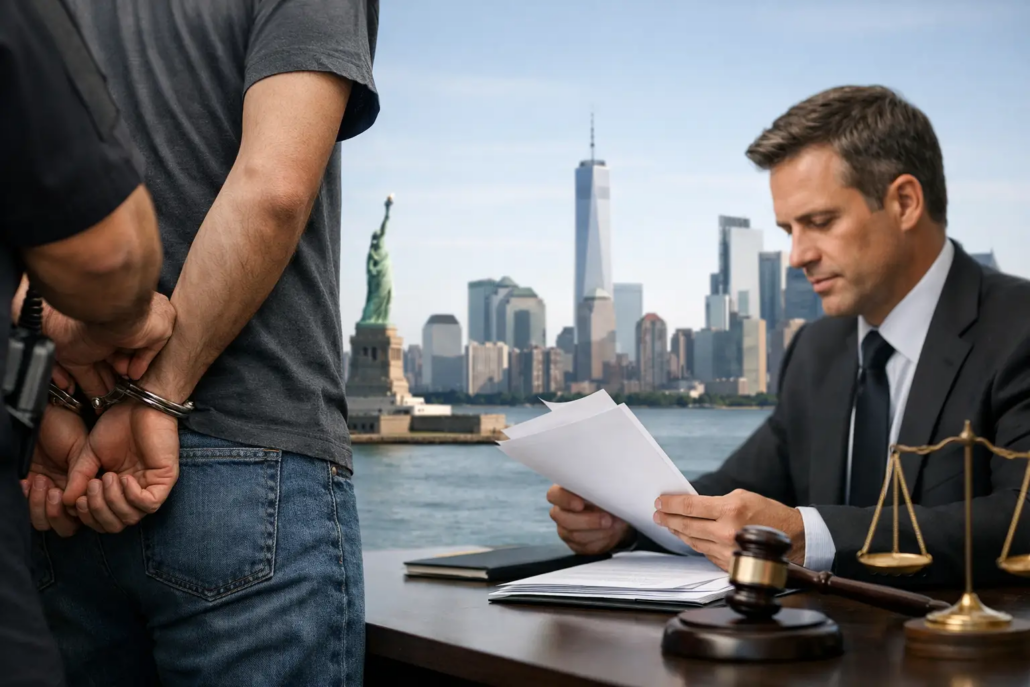
How to Prove False Arrest in New York
An arrest can turn your life upside down in minutes. You may lose a job, miss school, spend time in custody, and carry the stigma of criminal accusations long after the handcuffs come off. If you are asking how to prove false arrest, the answer starts with one core issue: whether the police had legal justification to detain you when they did.
False arrest cases are not won by outrage alone. They are won with facts, timing, records, and a clear legal strategy. In New York, the key question is often whether law enforcement had probable cause. If officers had probable cause to arrest you, even a humiliating or aggressive arrest may not qualify as false arrest. If they did not, you may have a strong claim.
How to prove false arrest starts with the legal elements
To prove false arrest, you generally need to show that you were intentionally confined, that you were aware of the confinement, that you did not consent to it, and that the confinement was not otherwise legally justified. In plain English, that usually means police or another authority restrained your freedom, you did not agree to it, and they lacked lawful grounds.
That last point is where most cases are fought. The defense will often argue that officers had probable cause based on a witness statement, alleged contraband, observed conduct, or information from another officer. Your case depends on testing that story hard.
Probable cause does not mean proof beyond a reasonable doubt. It is a lower standard. That is why these cases can be difficult. An arrest can still lead to dismissed charges and yet not automatically become a false arrest claim. Dismissal helps, but it is not the whole case.
The evidence that helps prove false arrest
The strongest false arrest claims are built on objective evidence, not just memory. Your account matters, but documents and recordings often decide whether a claim moves forward or falls apart.
Police paperwork is one of the first places to look. Arrest reports, complaint reports, body camera footage, radio runs, desk appearance tickets, property vouchers, and memo book entries can reveal inconsistencies. If an officer says you matched a suspect description, for example, the actual description may be vague or plainly different from your appearance. If the report claims you were observed committing a crime, surveillance footage may say otherwise.
Witnesses matter too. Neutral witnesses can be especially powerful because they are less likely to be dismissed as biased. A store employee, passerby, rideshare driver, building doorman, or classmate may have seen what happened before the arrest and whether police had any real basis to act.
Video evidence can change the direction of a case quickly. Street cameras, business security systems, apartment building footage, and cellphone recordings may show whether you were actually involved in the conduct police described. They may also show whether officers escalated a stop into an arrest without a lawful reason.
Your criminal case records are also important. If the charges were dismissed because a witness recanted, because evidence was suppressed, or because the prosecution could not establish basic facts, that history may support your position. It does not guarantee success, but it can expose weaknesses in the arrest.
Why probable cause is the real battleground
If you want to understand how to prove false arrest, focus on probable cause. That is where most claims are won or lost.
Police do not need a conviction to justify an arrest. They need enough facts and circumstances to reasonably believe a crime was committed and that you committed it. The problem is that officers sometimes make quick assumptions, rely on bad identifications, accept one-sided accusations, or leave out facts that cut against arrest.
In domestic incident arrests, for example, officers may rely heavily on one person’s statement at a chaotic scene. In street encounters, they may claim they saw a drug transaction when what actually happened was innocent. In shoplifting cases, store security may misidentify the person involved. In protest or crowd situations, officers may arrest first and sort details out later.
That does not mean every bad arrest is legally false arrest. It means the facts have to be examined carefully. Sometimes an officer had some basis to stop you but not enough to arrest you. Sometimes the initial detention was lawful, but the arrest that followed was not. Those distinctions matter.
How to prove false arrest when charges were dismissed
Many people assume that if their charges were dropped, they automatically have a false arrest case. That is not always true.
A dismissal can happen for many reasons. A witness may stop cooperating. The prosecutor may decide the case is too minor to pursue. Evidence may be unavailable. None of that automatically proves the arrest lacked probable cause at the time it happened.
Still, dismissal can be important. If the case was dismissed because the officer’s account was contradicted, because there was no credible evidence linking you to the offense, or because key facts were false or unreliable, those details may strongly support a false arrest claim.
This is one reason early case review matters. An attorney can compare the criminal court record to the arrest paperwork and identify where the prosecution’s theory broke down. Gregg A. Pinto’s prosecutorial background can be especially valuable in spotting how an arrest was justified on paper and where that justification may be vulnerable.
Mistakes that can weaken your false arrest claim
Time matters. So does what you say and do after the arrest.
One common mistake is waiting too long to preserve evidence. Surveillance footage is often deleted quickly. Witnesses forget details. Text messages disappear. If there were photos of injuries, torn clothing, or the scene itself, those should be saved immediately.
Another mistake is giving a detailed public version of events before speaking with a lawyer. Social media posts can be taken out of context and used against you. Even if you are telling the truth, a rushed statement can create inconsistencies the other side will exploit.
People also hurt their cases by assuming that police paperwork must be accurate. It often is not. Reports can contain errors, omissions, and language designed to make an arrest seem more justified than it was. That is exactly why those documents need to be challenged, not accepted at face value.
What damages may be part of a false arrest case
A false arrest claim is not just about the moment of arrest. It can include the fallout.
You may have spent hours or days in custody. You may have missed work, lost income, suffered emotional distress, or faced damage to your reputation. Some people lose housing opportunities, immigration stability, educational standing, or professional licenses because of an arrest that should never have happened.
The value of a case depends on the facts. A short detention with limited harm is different from a case involving jail time, public humiliation, physical force, or lasting professional damage. Bigger harm does not create liability by itself, but it can affect the damages if liability is proven.
When to speak with a lawyer
If you believe you were falsely arrested, do not wait for things to sort themselves out. Get your paperwork together. Save every court document, appearance ticket, dismissal record, photo, video, and message connected to the incident. Write down what happened while your memory is still fresh, including the officers involved, the location, the time, and any witnesses.
Then have the case reviewed by a lawyer who understands both criminal defense and civil rights litigation. That combination matters because the criminal case and the false arrest claim often overlap, and what helps in one may affect the other. A smart strategy looks at both.
The system counts on people feeling overwhelmed, embarrassed, or unsure of their rights. You do not have to accept the arresting officer’s version of events as the final word. If the police acted without legal justification, that can be challenged, and the right evidence can make that challenge stick.
A false arrest claim is rarely about one dramatic moment. It is about exposing the gap between what the police said and what the facts actually show. If that gap exists, acting quickly can make all the difference.