Preserve Assault Evidence: NYC Cameras, Messages & Video
A disputed encounter outside a bar, apartment building, subway entrance, or neighborhood business may look very different when viewed through a camera or a complete message thread. In New York City, NY, assault evidence surveillance video NYC cases often turns on details that witnesses did not notice or remember.
People involved in an alleged assault should understand that digital evidence is not automatically conclusive. A short clip, selected screenshot, or forwarded message may leave out important context. For help identifying what evidence may matter, readers can review experienced defense lawyers in NYC and seek a prompt, case-specific evaluation. Pinto Law Offices can help explain the issues counsel may examine.
This article discusses how cameras and messages may affect competing accounts, why authenticity and timing matter, how evidence may be preserved and challenged, and what common mistakes can create avoidable problems. It is general information about New York practice, not advice about any particular case.
How Assault Evidence Surveillance Video NYC Cases Can Clarify an Encounter
Video evidence may show the sequence of events more clearly than a brief witness observation. A recording could capture who approached whom, whether an argument escalated, the distance between people, physical movements, and what happened immediately before and after the alleged contact. It may also show lighting, obstructions, camera angles, or other conditions that affect how much the recording proves.
A recording is evidence, not an automatic answer
Security camera assault evidence in New York must be interpreted in context. A camera may not record sound, may cover only part of a sidewalk, or may have a time setting that is inaccurate. A clip exported from a larger system may begin after the encounter started or end before people left. Video quality can also affect whether a person or movement can be reliably identified.
In New York City, NY, possible sources may include building systems, retail cameras, transportation-area surveillance, doorbell cameras, and privately owned devices. Availability varies. Many systems overwrite recordings after a limited period, so an attorney may want to identify potential custodians and explore appropriate preservation steps promptly.
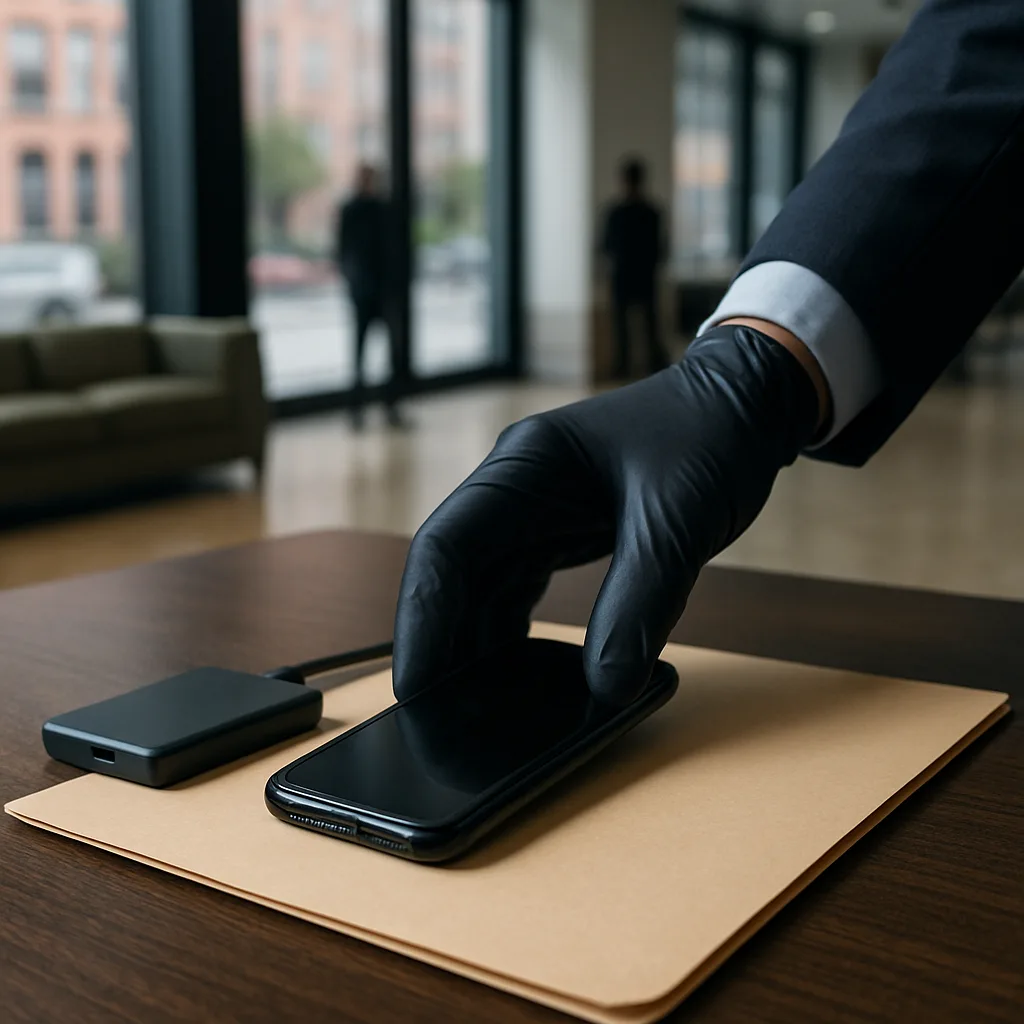
Comparing video with witness accounts
Video does not replace credibility analysis. The important question may be whether the recording is consistent with—or conflicts with—what each witness says they saw. Lighting, vantage point, crowd movement, and the witness’s location can matter. For more on this issue, see how witness credibility affects an assault case.
Text Messages, Social Media, and Authenticity in an NYC Assault Defense
Text messages can provide information about a relationship, an invitation, a dispute, a threat, or what someone said shortly after an encounter. They may support one account, undermine another, or simply raise questions that require more context. Social media posts, direct messages, photographs, and location-related content may also become relevant, depending on the facts and how the material was obtained.
A screenshot alone may not show the full conversation, the sender’s identity, the date and time, or whether messages were deleted or omitted. A complete export from a device or service may provide different information than an image copied into a police report. Even then, the parties may dispute authorship, account access, translation, timestamps, or whether a message was altered.
What counsel may examine
- Whether the entire conversation—not just selected messages—is available.
- Whether device settings, service records, or metadata affect the apparent timing.
- Whether an account was shared, accessed by another person, or spoofed.
- Whether photographs, videos, or posts have accompanying context.
- How police or another party obtained the device or digital account.
- Whether the evidence was collected, copied, stored, and disclosed reliably.
Relevant digital evidence is not automatically admissible simply because it appears useful. Counsel may examine search authority, subpoenas, device access, chain of custody, metadata, and possible alterations. The legal and factual issues can be technical; when criminal evidence may be suppressed is a related question that may require individualized review under New York law.
Preserving Video and Messages: Rights, Process, and Common Mistakes
After an alleged assault, people sometimes try to clean up their phones, delete an angry exchange, crop a video, or forward only the portion they believe helps. That can create additional questions about completeness and authenticity. Even content that feels embarrassing or unfavorable may be important to understanding the full sequence of events.
Generally speaking, a person should avoid altering, deleting, or selectively editing potentially relevant material. Preservation does not mean publishing the evidence or sending it broadly. It means keeping original devices and files in their existing condition as much as reasonably possible and allowing counsel to assess how the information should be handled.
Practical preservation concerns
- Identifying the original device, account, application, or camera system.
- Keeping messages, attachments, videos, and related cloud material together.
- Recording where a camera may have been located and who controlled it.
- Notifying counsel promptly if a business or building may possess footage.
- Avoiding public posts about the incident or communications with potential witnesses.
- Keeping copies without replacing or modifying the original files.
These steps are not a substitute for legal advice, and the correct approach can depend on whether police have seized a device, charges have been filed, or a court process is underway. In New York City, NY, counsel may also need to consider disclosure issues, police records, and whether additional footage exists but was not initially provided.
Digital and video evidence may also bear on self-defense. A complete recording or message history might provide context about who initiated an encounter, whether a threat was perceived, how the situation escalated, and whether the force described was reasonable under the circumstances. At the same time, selective messages, threatening communications, or missing portions of a recording could be argued to undermine that account. Read more about how evidence can support a self-defense claim in New York.
Frequently Asked Questions
Can a surveillance video prove someone did not commit an assault?
Not necessarily. A recording may support a defense by showing timing, movement, or who initiated contact, but its value depends on what the camera captured and whether the footage is complete and authentic. A camera may miss important events or provide no audio. An attorney can assess how the video fits with witness statements, medical records, messages, and other evidence in the case.
Are deleted text messages automatically unavailable in an assault case?
No. The availability of deleted messages can depend on the device, application, backups, service provider, and how the information was preserved. Deletion may also raise questions about completeness or intent. Because digital evidence can be technically complicated, a person facing an assault allegation should avoid assumptions about what can or cannot be recovered and discuss the issue with a New York defense attorney.
Can police use screenshots of text messages as evidence?
Screenshots may be considered, but their use can raise questions about authentication, completeness, authorship, timing, and how they were obtained. A screenshot may omit earlier or later messages and may not show attachments or account details. Whether particular material can be used depends on the facts and applicable New York rules. Counsel may seek the original device, account data, or additional context.
What if a nearby business will not provide surveillance footage?
A business or building owner may have policies governing requests for recordings, and footage may be overwritten. A defense attorney can evaluate lawful ways to seek potentially relevant material, which may include formal requests or court procedures when appropriate. The timing and available process depend on the case. People should avoid trespassing, accessing systems themselves, or pressuring employees for records.
How Pinto Law Offices Can Help
Pinto Law Offices is dedicated to helping people understand how video, text messages, social media, and witness accounts may affect an assault allegation in New York City, NY. The firm can evaluate the available information, identify questions about timing and authenticity, and consider whether missing or selectively presented evidence deserves further investigation.
A careful review may also address preservation concerns, lawful collection, disclosure, and potential defenses. Because each case turns on its own facts, the firm does not promise a particular outcome. If you are dealing with an alleged assault, contact Pinto Law Offices for a free consultation or case evaluation to discuss your situation and legal options.
The information in this article is for educational purposes only and does not constitute legal advice. Contact a qualified attorney licensed in New York City, NY for advice specific to your situation.